Courchevel isn’t one resort but a constellation of villages, each with its own rhythm, clientele, and charm. Spanning five elevations from 1,300 to 1,850 metres, they form the crown jewel of Les Trois Vallées, where altitude meets attitude, and every detail has been refined over decades.
Courchevel 1850 – The Summit of Style
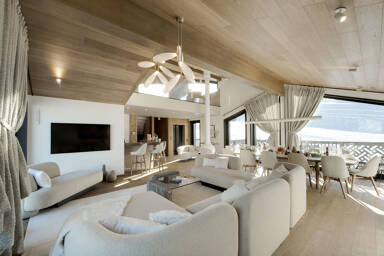
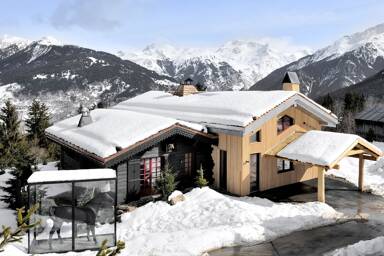
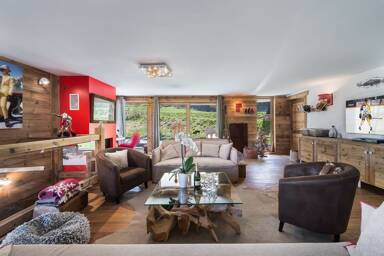
At 1,850 metres, Courchevel 1850 is the name on every snow-dusted invitation. Private jets and helicopters touch down at the Courchevel altiport, chauffeurs glide along pine-lined avenues towards extravagant chalets like Chalet Namaste, and skiers carve straight from their terrace to La Saulire’s panoramic ridge, an experience you can enjoy at Chalet Saulire, with ski-in, ski-out access.
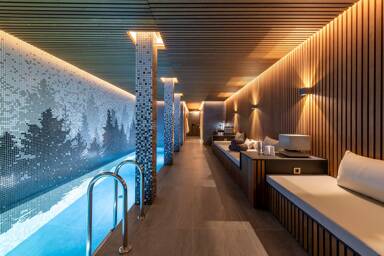
Boutiques from Dior, Hermès, and Vuitton line the promenades, while Michelin-starred dining and indulgent ski-in spas complete the village’s distinctive polish. Here, discretion is an art form and luxury feels effortless.
Courchevel 1650 Moriond – Where the Sun Lingers
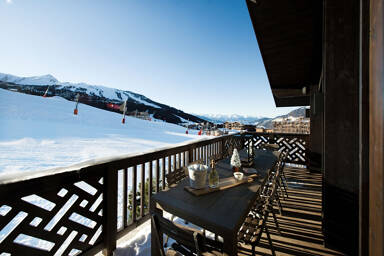
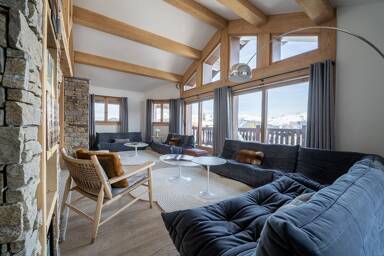
Just below lies Courchevel Moriond, formerly Courchevel 1650, where the pace is gentler and the views broader. The sun-kissed slopes spill into the horizon, as seen from Penthouse Liyah, a Courchevel apartment with incredible mountain views.
It’s a haven for families and friends seeking the lively après-ski balanced with serenity. The chalets here radiate warmth and playfulness, ideal for multi-generational gatherings or those who prefer a lighter touch of luxury. Moriond has quietly become a favourite among those who favour sophistication without the formality.
Courchevel 1550 Village – Quiet Luxury, Reimagined
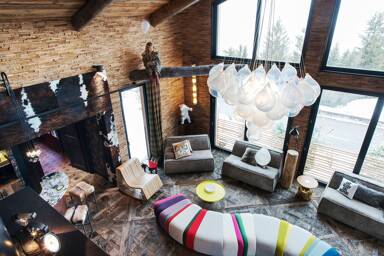
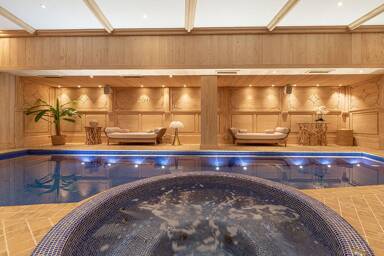
Tucked just beneath the glamour, Courchevel Village offers understatement with direct lift access to 1850. Those who prefer proximity without pretence find refuge in its refined chalets, like Chalet Anakin, complete with private hammam, where the luxury lies in stillness, space, and simplicity. Evenings unfold by the fire, unhurried and restorative.
Courchevel La Tania – Into the Pines
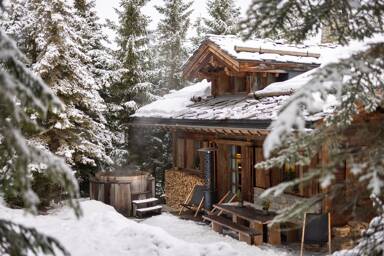
At 1,400 metres, La Tania feels more secret than scene. Built with intention, its timber façades blend into the surrounding forest and its car-free heart hums with families discovering their first green run. Officially built to be the home of journalists and crews during the 1992 Albertville Olympics, and part of Courchevel since 2018, La Tania has evolved into a charming retreat for those teaching the next generation to fall in love with the snow.
Courchevel Le Praz – The Soul of Tradition
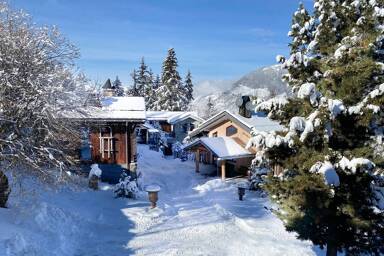
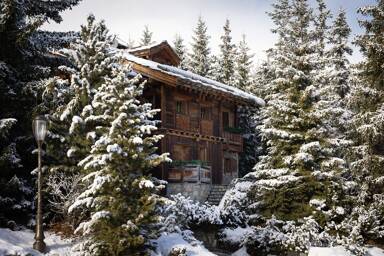
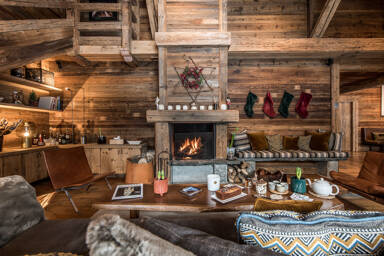
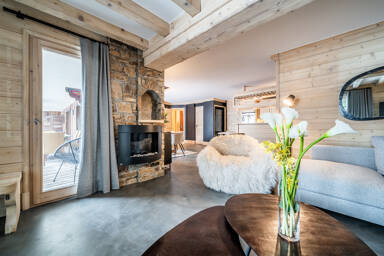
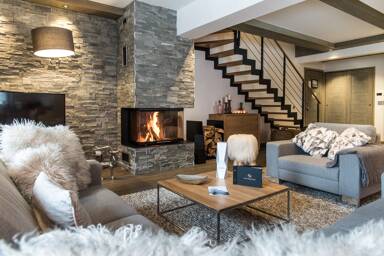
Of all Courchevel’s villages, Le Praz feels closest to its origins. Resting at 1,300 metres, smoke curls from stone chimneys, like those at Chalet 1992, with its striking central fireplace, and life moves to the rhythm of the mountains. Its narrow lanes lead past centuries-old chalets to the Olympic ski-jump, reminders that authenticity and excellence have always defined this corner of the Alps. For many, this is Courchevel’s true soul: elegant, rustic, and real.
Why Courchevel Became an Icon
Over the decades, Courchevel has transformed from a cluster of Alpine pastures into the global emblem of winter luxury. In the 1930s, as ski tourism began to rise, the French government sought to exceed the success of Chamonix and Megève by creating a purpose-built resort that redefined the sport.
Two soldiers-turned-planners, Laurent Chappis and Maurice Michaud, were enlisted to design it. Chappis envisioned a resort that lived with its landscape, not over it. With the area offering longer seasons, finer snow and sweeping views, they decided to embrace the natural beauty, instead of razing it in favour of something artificial, building in harmony with its surroundings. In 1946, Courchevel officially opened to great acclaim at 1,800 metres.
The timing was perfect. Post-war optimism and a surge in tourism made Courchevel the beacon for winter sport enthusiasts. Its expansion into Méribel and Val Thorens created Les Trois Vallées, now the world’s largest ski area, securing its reputation among those who sought both thrill and refinement.
In the 1960s, the Courchevel altiport opened as the world’s first international mountain airport, welcoming both private jet charters to Courchevel and helicopters direct to the slopes.
As skiing surged in popularity through the 1960s and ’70s, Courchevel attracted the world’s finest designers and restaurateurs. Dior and Hermès opened their doors among the snowdrifts, blending haute couture with high altitude.
Its rise was no accident, it was built by those who cared deeply about the mountains and the people drawn to them. Courchevel mastered the balance of glamour and grace, precision and ease. Courchevel perfected the art of high-altitude living, where excellence is expected, elegance is instinctive, and every descent feels like a return to something timeless.









_19_11zon_3_11zon.webp)
_20_11zon_4_11zon.webp)